
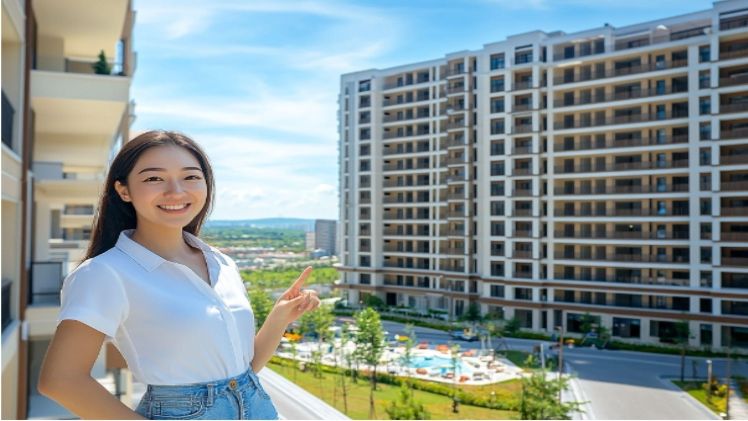

Finding the perfect home in a city as vibrant and sprawling as Bangkok is both an adventure and a challenge. Whether you are a digital nomad looking for a sleek studio in Sukhumvit or a family seeking a spacious condo in Sathorn, the “Big Mango” offers something for every lifestyle and budget.
This comprehensive guide breaks down everything you need to know about rent apartment Bangkok, from neighborhood deep-dives to legal must-knows.
สารบัญบทความ
- Understanding the Bangkok Rental Market
- Types of Accommodations
- Top Neighborhoods to Call Home
- Key Costs and Budgeting
- Step-by-Step Guide to Securing Your Apartment
- Research and Shortlist
- Schedule Viewings
- Negotiation
- The Lease Agreement
- Legal Requirements for Foreigners
- Modern Amenities to Look For
- Final Thoughts
Understanding the Bangkok Rental Market
The Bangkok rental scene is incredibly diverse. Whether you are looking for a $300-a-month studio or a $5,000 penthouse with a private pool, there is something for everyone. In 2026, the market has seen a shift toward “wellness-centric” buildings and smart-home integration, making modern living more convenient than ever.
Types of Accommodations
- Condominiums (Condos): These are units within a building owned by individual landlords. They usually offer great amenities like gyms, pools, and 24-hour security.
- Apartments: In Thailand, “apartment” often refers to a building owned by a single company or family. These usually have more consistent management but may charge higher rates for electricity and water.
- Serviced Apartments: Ideal for short-term stays or those who want hotel-like perks (housekeeping, linen changes, and room service).
- Townhouses and Houses: More common in the suburbs, offering more space and privacy but requiring more maintenance.
Top Neighborhoods to Call Home
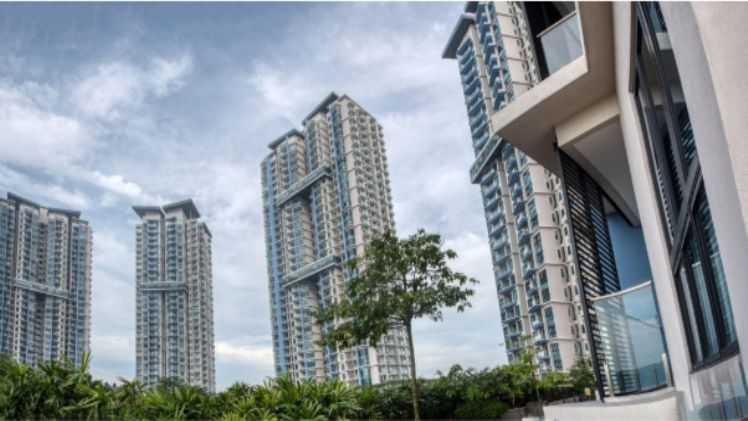
Location is the most critical factor when choosing where to live. In Bangkok, your proximity to the BTS (Skytrain) or MRT (Subway) will define your quality of life.
Sukhumvit: The Heart of the Action
Sukhumvit is the most popular choice for expats. It is divided into “Sois” (side streets).
- Asoke (Soi 21): The central business district hub where the BTS and MRT intersect.
- Phrom Phong & Thong Lo (Soi 24–55): The upscale, trendy heart of Bangkok. Home to high-end malls, Japanese boutiques, and the city’s best nightlife.
- Ekkamai: A slightly more “local” hip vibe with great cafes and co-working spaces.
Silom and Sathon: The Financial District
Think of this as the Wall Street of Bangkok. It features wide avenues, lush greenery near Lumphini Park, and some of the most prestigious addresses in the city. It is perfect for professionals working in finance or law.
Ari: The Hipster Haven
Located north of the city center, Ari is a charming residential neighborhood filled with independent coffee shops, craft beer bars, and mid-century modern architecture. It offers a quieter, community-focused lifestyle.
On Nut to Bang Na: The Rising East
As the city expands, many are moving further down the Sukhumvit line. These areas offer much more “bang for your buck” while still being only 15–20 minutes away from the city center via the BTS.
Key Costs and Budgeting
While Bangkok is affordable compared to New York or London, costs can add up. Here is a breakdown of what to expect:
| Item | Estimated Monthly Cost (USD) |
| Studio (City Center) | $500 – $900 |
| 2-Bedroom Condo (Sukhumvit) | $1,200 – $2,500 |
| Electricity (1-Bedroom) | $60 – $120 (depends on AC usage) |
| Water | $5 – $10 |
| High-Speed Internet | $20 – $30 |
Pro-Tip: Always check if the electricity is billed at the “Government Rate.” Some older apartments (not condos) surcharge electricity, which can double your monthly utility bill.
Step-by-Step Guide to Securing Your Apartment
1. Research and Shortlist
Start your search on reputable websites and social media groups. Use keywords like “rent apartment Bangkok” or “Bangkok condo rentals” to find the latest listings.
2. Schedule Viewings
Photos can be deceiving. Always visit the unit in person. Check the water pressure, look for signs of mold, and—most importantly—visit the area at night to check for noise levels from nearby bars or construction.
3. Negotiation
In Bangkok, the listed price is often negotiable, especially if you are signing a two-year lease or paying several months upfront. Don’t be afraid to ask for a 5–10% discount or a new appliance (like a microwave or TV) to be included.
4. The Lease Agreement
Standard leases are usually 12 months. You will typically be required to pay:
- 1 Month Rent in Advance
- 2 Months Security Deposit
Ensure your contract includes a “Diplomatic Clause” if you are an expat, allowing you to break the lease early if you are transferred out of the country for work.
Legal Requirements for Foreigners
Renting in Thailand is straightforward for foreigners. You do not need a specific visa to rent; a tourist visa is technically sufficient for a contract, though most landlords prefer seeing a Long-Term Resident (LTR) visa or a Work Permit.
The TM30 Form: Under Thai law, your landlord is required to report your stay to the Immigration Department within 24 hours of your arrival. Ensure your landlord is willing to do this, as you will need the TM30 receipt for visa extensions or opening a bank account.
Modern Amenities to Look For
Since you will likely be spending a lot of time avoiding the midday heat, your building’s facilities matter. In 2026, look for:
- EV Charging Stations: Becoming a standard in newer developments.
- Co-working Spaces: Perfect for remote workers who want a change of scenery without leaving the building.
- On-site Convenience Stores: Many condos now house a 7-Eleven or a “Vending Machine Cafe” in the lobby.
Final Thoughts
Finding an apartment for rent in Bangkok is an exciting journey. The city offers an unparalleled lifestyle where luxury is accessible and every street corner holds a new culinary adventure. By choosing the right neighborhood and doing your due diligence on the contract, you can ensure your stay in the “City of Angels” is nothing short of spectacular.






Leave a Comment