
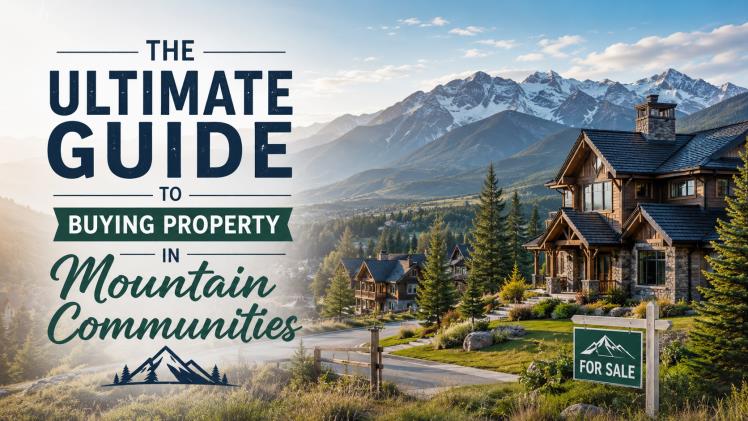

Escaping the hustle and bustle of city life to embrace the tranquility of mountain living is a dream shared by many. The transition from concrete jungles to serene forested landscapes provides not just a change of scenery, but a complete lifestyle overhaul that prioritizes wellness and outdoor recreation. The appeal of crisp, fresh air, stunning panoramic views, and a slower pace of life draws thousands of prospective homebuyers to elevated regions every year. Whether you are looking for a cozy weekend cabin, a lucrative vacation rental property, or a permanent primary residence, mountain real estate offers a unique blend of natural beauty and investment potential. However, purchasing a home in these rugged environments is vastly different from buying a standard suburban house. It requires specialized knowledge, careful planning, and a deep understanding of the local landscape to ensure your investment is sound and your new lifestyle is everything you hoped it would be.
Understanding Infrastructure and Environmental Challenges
One of the most significant differences in mountain real estate lies in the infrastructure and utilities. Unlike urban areas where homes are connected to municipal water and sewer systems, mountain properties frequently rely on private wells and septic systems. Understanding how to evaluate the condition and capacity of these systems is crucial, as repairs or replacements can be incredibly costly. Additionally, the topography of the land plays a major role in property value and usability. Steep grades can complicate construction, affect drainage, and make driveway access difficult, especially during harsh winter months when snow and ice are prevalent. Buyers must also consider factors like soil stability, flood zones, and the potential for natural events such as wildfires or landslides, which can impact insurance rates and overall safety.
The Importance of Working with a Local Real Estate Expert
Because of these unique challenges, navigating the market without professional guidance can be risky. This is exactly why choosing a realtor in the Pocono Mountains or your specific target region is one of the most important decisions you will make in the buying process. A local real estate expert brings invaluable insight into the nuances of the area. They understand the micro-climates, know which neighborhoods have the best road maintenance during winter, and can recommend trusted local inspectors who specialize in mountain properties. Furthermore, a seasoned local agent will have a pulse on the community’s zoning laws and short-term rental regulations, which is vital if you plan to use the property as an Airbnb or VRBO to generate supplemental income.
Financial Considerations and Long-Term Ownership Costs
Financial considerations also take on a different shape when investing in elevated regions. Property taxes can vary wildly depending on the county and specific municipality. Additionally, the cost of maintaining a mountain home is often higher due to weather-related wear and tear, the need for specialized landscaping, and higher heating costs during extended winters. Insurance is another critical factor; properties located in heavily forested areas may require specialized fire insurance policies, while those near mountain streams might need flood coverage. It is imperative to obtain insurance quotes early in the due diligence period to avoid any unexpected financial surprises before closing. Prospective buyers should work closely with their financial advisors and real estate agents to accurately project these ongoing expenses. For those looking at the investment side, understanding the seasonal tourism trends is essential for predicting rental occupancy rates and maximizing return on investment.
Final Thoughts on Buying Property in Mountain Communities
In conclusion, buying a home in a mountain community is an exciting journey that promises a rewarding lifestyle surrounded by nature. However, it demands a higher level of due diligence and a willingness to understand the specific environmental and infrastructural factors at play. By taking the time to research the area, understanding the true costs of ownership, and partnering with an experienced local professional, you can confidently navigate the complexities of the market. With the right preparation and guidance, your dream of owning a beautiful mountain retreat can become a successful and highly satisfying reality.





Leave a Comment