


The majestic Elephant in Thailand holds a revered place in the nation’s culture, yet faces a critical battle for survival. As the wild population shows signs of recovery, the animals are increasingly threatened by diminishing habitat and escalating human-elephant conflict. For travelers, navigating the ethical landscape of elephant tourism is paramount. This guide provides a comprehensive overview of the elephant’s current status, the laws governing their protection, and the definitive criteria for making a responsible choice, ensuring your experience contributes to their welfare rather than their exploitation.
Visit Elephant in Thailand: Choosing a Responsible Sanctuary
Thailand is renowned for its elephants, but the rise of tourist camps requires visitors to make a careful, responsible choice when seeking an elephant experience. The term “sanctuary” is unregulated, meaning many facilities may prioritize profit over animal welfare. A truly ethical sanctuary is a haven focused on the rescue, rehabilitation, and natural life of the elephants, not on providing entertainment. Your choice directly funds the good—or the exploitation—of these magnificent animals.
To ensure your visit is truly beneficial to the elephants, look for the following key indicators:
- No Riding, No Performances: This is the most critical red flag. Ethical sanctuaries strictly prohibit elephant riding, shows, or tricks (like painting or playing musical instruments). Riding causes long-term damage to an elephant’s spine and requires brutal training methods.
- Observation Over Interaction: The focus should be on watching elephants behave naturally from a respectful distance, such as from a platform or viewing area. Avoid places that offer direct, hands-on activities like forced bathing, aggressive feeding schedules, or excessive touching. Elephants should be free to roam, forage, and socialize on their own schedule.
- Freedom and Natural Behaviour: Look for large, natural enclosures—ideally forested land—where elephants can roam freely in established social groups. They should not be chained during visitor hours (unless for veterinary care) and should be allowed to display natural behaviours like dust bathing, foraging, and social interaction.
- No Bullhooks or Coercive Tools: True sanctuaries rely on positive reinforcement and gentle guidance. The visible presence of bullhooks, spears, or other sharp tools used for control is a clear sign of ongoing abuse and fear-based training.
- No Breeding for Tourism: Ethical centers focus on rescuing elephants who can no longer survive in the wild. They should not run breeding programs purely to supply the tourist industry with appealing baby elephants.
Elephants in Thailand Life
The current situation for Elephant in Thailand shows a complex mix of success and threat. The wild population, estimated at 3,084 to 3,500 individuals, has thankfully been increasing over the last 14 years due to conservation efforts. These elephants live in highly concentrated areas, occupying approximately 37% of the country’s protected zones, with the largest group found in the Western Forest Complex.
However, their long-term survival is threatened by habitat loss from agricultural expansion and human settlements, alongside the ongoing risk of poaching for ivory. This pressure often fuels dangerous Human-Elephant Conflict (HEC), leading to tragic elephant deaths from electrocution or being shot.
Elephants in Thailand Status
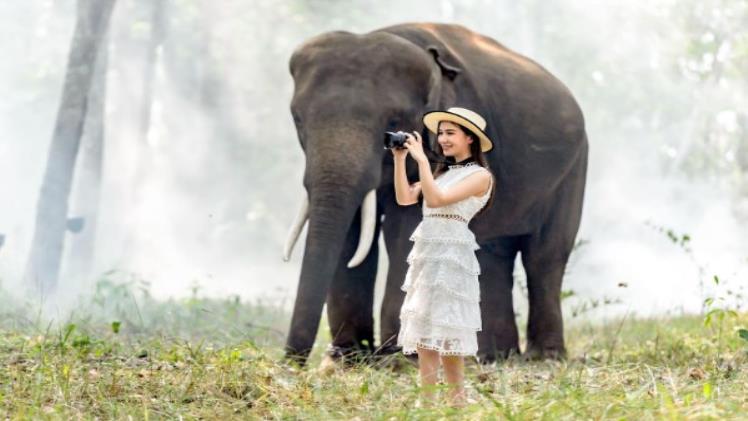
The legal framework for the Elephant in Thailand addresses both wild and domesticated animals. Globally, the Asian elephant is classified as “Endangered” on the IUCN Red List. Domestically, wild elephants are “Preserved Animals” under the Wild Animal Preservation and Protection Act B.E. 2562 (2019), which strictly prohibits hunting or killing.
Additionally, the Elephant Ivory Act (2015) regulates ivory to combat illegal trade. Domesticated elephants are registered under the Beasts of Burden Act (1939) to prevent wild animals from being laundered. Thailand is also developing a new Elephant Bill (ร่างพระราชบัญญัติช้าง) to improve welfare, policy, and camp management.
The Right Way to Visit Elephants in Thailand
To ensure your visit truly benefits the Elephant in Thailand, you must be a responsible guest. Do your research thoroughly; never trust a camp simply calling itself a “sanctuary.” Read independent reviews and verify their welfare policies.
Support observation-based programs where you watch elephants roam and interact naturally from a distance, which promotes a stress-free environment.
Always maintain a calm and respectful demeanor by moving slowly and speaking softly, as these sensitive animals dislike loud noises.
Ask about the elephant’s history—where they were rescued from and their daily care—as transparency is a clear sign of ethical practice. Finally, be prepared by wearing comfortable, practical clothes and sturdy shoes for walking in the natural habitat.
Let’s Support Elephant in Thailand
The Elephant in Thailand faces a dual reality: a rising wild population against severe threats from shrinking habitat and Human-Elephant Conflict. To support their long-term welfare, tourists must become responsible guests. This means rigidly avoiding riding, performances, and forced interactions at all times. By choosing and funding ethical, observation-based sanctuaries that prioritize freedom and natural behavior, visitors directly support genuine conservation, reinforcing the nation’s commitment to protecting its cherished national animal.





Leave a Comment