
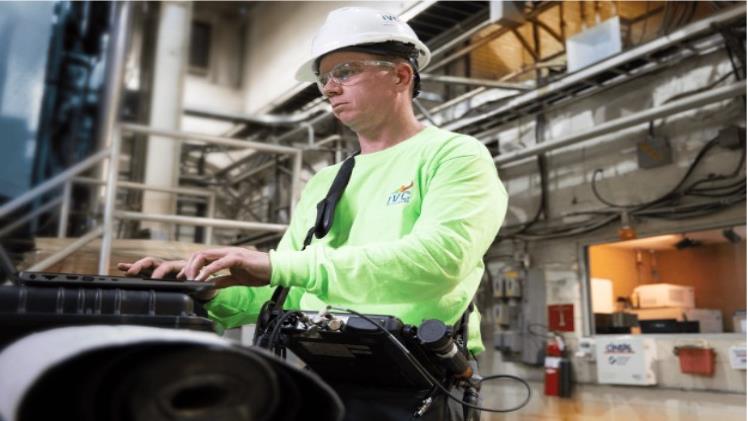

Unexpected equipment failure is one of the largest hazards to workplace safety, profitability, and productivity in today’s fiercely competitive industrial environment. Conventional maintenance techniques, including reactive or time-based maintenance, can result in needless downtime and expensive repairs. A more intelligent option is provided by predictive maintenance, which is fueled by cutting-edge technologies like vibration monitoring. Businesses can identify early indicators of mechanical problems before they become expensive breakdowns by using vibration monitoring. Organizations may enhance reliability, optimize maintenance schedules, and make well-informed decisions by consistently monitoring the behavior of their equipment. The key advantages that make vibration monitoring a crucial component of predictive maintenance plans are listed below.
Enhanced operational efficiency and decreased downtime
Unplanned downtime is quite costly and frequently results in missed deadlines, lost income, and production delays. Organizations can transition from reactive maintenance to planned interventions with the use of vibration monitoring. Because problems are identified beforehand, maintenance can be arranged for planned shutdowns or times when production is low. This minimizes the need for emergency repairs and permits seamless operations. Consequently, machines operate more reliably, production efficiency rises, and overall equipment effectiveness (OEE) rises. Vibration data-driven predictive maintenance makes sure that assets operate as efficiently as possible with the least amount of disturbance.
Reduced Costs of Upkeep and Repair
Conventional maintenance methods frequently result in costly late-stage repairs or needless part replacements. Monitoring vibrations reduces both extremes. In order to prolong their useful life and prevent premature replacements, components are only repaired when their condition actually calls for it. Early fault detection also avoids catastrophic damage that might kill entire devices. Reduced use of spare parts, fewer emergency call-outs, and decreased labor expenses eventually result in significant cost reductions for businesses. By making costs more data-driven and predictable, predictive maintenance also enhances maintenance budget planning.
Early Failure Prevention and Fault Identification
Vibration monitoring’s capacity to identify mechanical issues early on is among its most significant advantages. During regular operation, equipment, including motors, pumps, compressors, and spinning gear, displays distinct vibration patterns. These vibration signatures alter in response to imbalance, misalignment, bearing wear, or looseness. These minute changes are detected by practical vibration monitoring systems long before symptoms become apparent. Maintenance teams can take action before a minor flaw becomes a big failure because of early identification. The likelihood of unexpected malfunctions, equipment damage, and production halts is significantly decreased by this proactive strategy.
Enhanced Safety at Work
Failures of the equipment can seriously jeopardize worker safety in addition to affecting output. Accidents, injuries, and even fatalities can result from mechanical failures, overheating equipment, and sudden breakdowns. By spotting hazardous situations before they become serious, vibration monitoring improves worker safety. Alerts are sent early enough for operators and personnel to shut down or service equipment safely. This lowers the possibility of structural collapses, mechanical explosions, and fire. Additionally, a safer workplace guarantees regulatory compliance, boosts employee morale, and reduces insurance premiums.
Longer Equipment Lifespan and Dependability of Assets
For many sectors, mechanical equipment is a significant capital expenditure. By prolonging the asset’s lifespan, vibration monitoring is essential to safeguarding that investment. Components deteriorate more quickly and accumulate cumulative damage when machines are run continuously under defective conditions, such as imbalance or misalignment. Vibration monitoring stops long-term deterioration and stabilizes performance by addressing these problems early. Over the course of their service life, consistently healthy machines have fewer stress cycles, less tiredness, and greater dependability. This eventually results in improved operational resilience and a greater return on investment (ROI).
Predictive Insights and Data-Driven Decision Making
Large volumes of historical and real-time data are produced by contemporary vibration monitoring systems. Engineers and maintenance managers can use this data to evaluate patterns, identify recurring problems, and make remarkably accurate predictions about future failures. Organizations obtain useful information on the condition of their equipment rather than depending on conjecture or strict maintenance plans. Predictive skills are further improved by advanced analytics and machine learning, enabling businesses to continuously improve maintenance methods. This data-driven strategy enhances overall operational transparency and facilitates more intelligent personnel allocation, inventory control, and capital planning.
One of the most effective instruments in contemporary predictive maintenance plans is vibration monitoring. It is essential for industrial operations because of its capacity to identify early defects, minimize downtime, lower maintenance costs, enhance workplace safety, prolong equipment lifespan, and facilitate data-driven decision-making. Vibration monitoring will only become more significant as enterprises adopt Industry 4.0 and digital transformation. In addition to safeguarding their assets, businesses that invest in predictive maintenance now are strengthening their base for long-term effectiveness, dependability, and competitiveness in a market that is becoming more and more competitive.







Leave a Comment